A Nikah ceremony is one of the most cherished and meaningful events in a Muslim couple’s life. It represents love, unity, commitment, and the blessing of family and faith. Recently, a remarkable milestone was reached: the 60th Nikah among 587 weddings officiated across rich cultural, religious, and ethnic diversity. This inspiring story highlights not just a marriage—but the incredible beauty of coexistence.
Introduction: The Beauty and Significance of a Nikah Ceremony
The Nikah ceremony holds a special place in Islam. It symbolizes not just a union between two individuals but also the joining of families, traditions, and sometimes even entire cultures. A ceremony grounded in compassion and guided by divine wisdom, Nikah reflects peace, harmony, and the belief that marriage is a gift from God.
The Story Behind the 587th Wedding
A Unique Milestone: The 60th Nikah
Among 587 Interfaith weddings officiated across decades, this particular celebration marked the 60th Nikah. Each ceremony is meaningful, but this one stood out because of the couple’s heartfelt journey and the merging of two Muslim traditions.
Weddings Across 12 Religions, 95 Ethnicities, and All Four Races
This milestone comes from years of serving diverse couples—Muslims, Christians, Jews, Hindus, Sikhs, Buddhists, atheists, and more.
Over time, ceremonies have included:
- 12 different religions
- 95 ethnicities
- All four races
- Interfaith and intercultural unions
- Co-officiations with clergy across many faiths
This unique breadth of experience brings deep understanding and inclusive wisdom to every marriage performed.
Understanding the Nikah Ceremony in Islam
What Makes Nikah a Sacred Contract?
In Islam, Nikah is not merely a celebration—it is a legal, spiritual, and emotional contract. It establishes mutual respect, responsibility, and love between husband and wife. Unlike many wedding traditions, the Nikah emphasizes:
- Mutual consent
- The presence of witnesses
- A marriage gift (mahr)
- Blessings and prayers
- Marriage certificate and Aqd
- Family involvement
The Quranic Foundation of Nikah (Quran 30:21)
A powerful verse beautifully captures the heart of Nikah:
“And among His signs is that He created mates for you from among yourselves so that you may find tranquility in them; and He placed between you love and compassion. In these are signs for people who reflect” — Quran 30:21
This verse serves as a reminder that marriage is a divine sign—one that brings peace, comfort, and mercy into the lives of those who embrace its purpose.
Diversity Within Islam: Uniting Different Traditions
Officiating Across Denominations
One meaningful aspect of this journey is having officiated Nikah ceremonies across nearly every major Muslim denomination, including:
- Sunni
- Shia
- Bohra
- Ismaili
- Ahmadi
- Sufi
- Nation of Islam
- Additionally, there are several subgroups within each category.
Bridging Families Through Compassionate Dialogue
This particular couple came from two different traditions. It took two thoughtful conversations with each set of parents to ensure comfort, clarity, and complete acceptance. Through patience and sincerity, both families embraced the union wholeheartedly.
The Couple’s Journey Toward Acceptance
Conversations With Both Sets of Parents
Every inter-tradition marriage carries its own challenges. In this case, the parents initially had concerns—but thoughtful dialogue helped bridge gaps of understanding. The focus was always on the happiness of the couple.
Building Harmony and Trust
With compassion and respect leading the conversation, families came together. The result? A deeply joyful Nikah ceremony filled with meaning.
Testimonial: A Heartfelt Message From the Couple
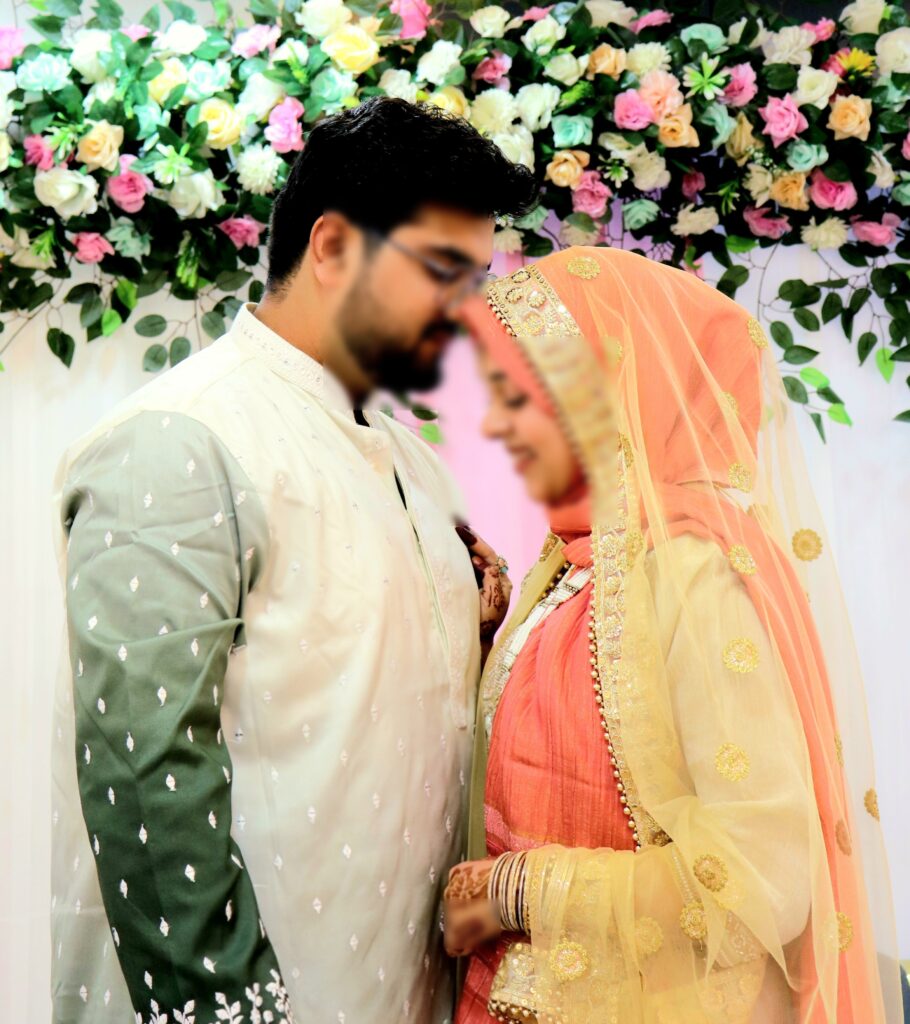
“The ceremony was more beautiful and heartfelt than we ever imagined… Everyone, including our parents, went home extremely happy.”
— Saima & Mushtaq
Their message reflects the joy, gratitude, and emotional significance they felt on their special day. The positive response from guests—even leading another friend to request contact information—shows the impact of care-driven officiating.
Why Interfaith and Intercultural Wedding Experience Matters
A Commitment to Respecting Every Tradition
Across 587 weddings, one principle has remained constant: complete commitment from start to finish. Every ceremony is tailored to respect the couple’s traditions, beliefs, and values.
Co-Officiating With Religious Leaders
Experience includes co-officiating with:
- Rabbis
- Priests
- Pastors
- Fathers
- Imams
- Pundits
- Bahai admins
- And many other faith leaders
This broad collaboration fosters harmony and beautifully reflects the world’s spiritual diversity.
FAQs About the Nikah Ceremony
1. What is required for a Nikah ceremony?
A Nikah requires mutual consent, witnesses, a marriage gift (mahr), and an officiant knowledgeable in Islamic marriage.
2. Can couples from different Muslim traditions have a Nikah?
Yes. As long as both families are comfortable, Nikah can unite couples across Islamic denominations.
3. Is Nikah legally binding?
In Islam, yes. For civil recognition, a state marriage license is required.
4. Can Nikah be personalized?
Absolutely. Many couples include readings, prayers, cultural customs, and family blessings.
5. Can Nikah ceremonies be interfaith?
Yes, with appropriate arrangements. Many couples choose co-officiation with other faith leaders.
6. Is the Quran recited during Nikah?
Absolutely, Sura Fatiha, Ayatul Kursi, Darood-e-Ibrahimi, and many verses such as 30:21 emphasize love and compassion, as well as verses from Sura Rahman.
Conclusion: Celebrating Love, Faith, and Shared Humanity
The Nikah ceremony of Saima and Mushtaq is a reminder that love transcends traditions, cultures, and even expectations. Whether officiating the 60th Nikah or the 587th wedding overall, the goal remains the same—to honor love, uphold faith, and bring families together.
About the Officiant
Dr. Ghouse is the President and founder of the Center for Pluralism and director of the World Muslim Congress. He is an Interfaith Wedding Officiant for InterfaithMarriages.org and a Muslim Wedding Officiant. He is a Muslim, Pluralist, activist, speaker, author, and social scientist. More on Google